A marketing strategy determines how to reach prospective consumers and turn them into customers. It contains the company’s value proposition, key brand messaging, data on target customer demographics, and other high-level elements.
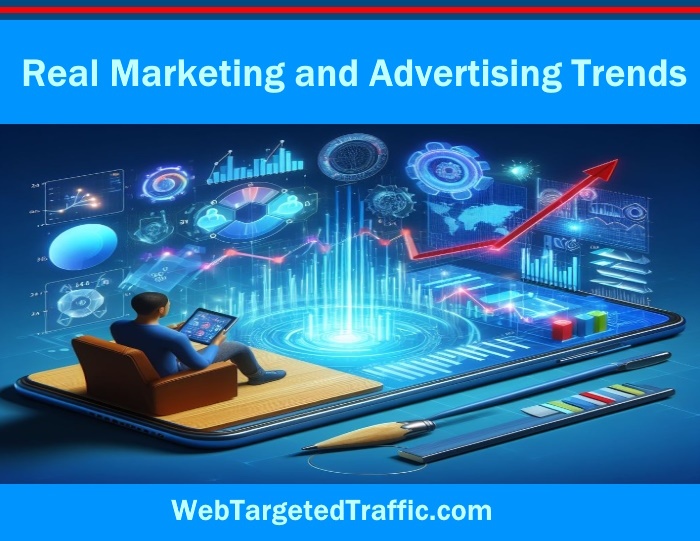
Throughout the years, marketing has clearly evolved from traditional mass advertising to a more targeted and personalized approach driven by technology, data, and consumer preferences. The landscape continues to evolve rapidly as new technologies and platforms emerge, allowing marketers to innovate and adapt their strategies to meet the changing demands of consumers.
So what is 2024 shaping up to be and what are some top trends that are expected to gain traction?
Table of Contents
Marketing and Advertising Trends in 2025
It is important to stay on top of the latest trends and developments that will shape the future of marketing. In this guide, we will explore some of the key digital marketing strategies that you need to know for 2024, based on insights from experts and research from various sources.
AI Marketing Automation
In 2025, AI-powered marketing tools like chatbots, voice search optimization and predictive analytics will become even more widespread. However, business leaders must avoid relying solely on “set it and forget it” automation strategies and enforce a more collaborative approach between humans and AI.
Integrating AI with marketing transforms how companies analyze data, personalize customer experiences and optimize campaigns. For instance, AI-powered chatbots and messaging apps are revolutionizing customer interactions by providing personalized experiences and instant solutions, which helps build more authentic customer connections.
Influencer Marketing
Modern consumers want more than endorsements; they crave genuine and authentic relationships with influencers. This shift will likely drive the growth of micro-influencers—individuals with smaller but highly engaged followings.
With this in mind, consider working with influencers who have more niche and targeted audiences and who recognize the value of authenticity.
Video Marketing
Short-form videos, live streaming and interactive content are increasingly important in video marketing. Companies that effectively utilize these trends will have a competitive edge and will be able to communicate their brand messages engagingly and dynamically.
Our marketing strategy, for example, includes short videos, interactive tutorials, and live Q&A sessions to connect with learners and drive accurate results.
Voice Search Optimization: Cracking the Vocal Code
As per the latest figures, there are about 200 million users of voice assistants in the U.S. alone. Understanding and incorporating voice search optimization techniques will help to make your content more discoverable and rank higher in voice search results. For example, consider using more conversational, long-form questions when thinking about search queries and keywords.
The proliferation of voice-activated devices has redefined the search landscape. Crafting content that aligns with conversational queries and optimizing for voice search will be pivotal for maintaining visibility.
User-Generated Content (UGC)
UGC is a powerful brand marketing strategy that provides social proof and engagement. Brands can encourage UGC creation by launching engaging contests and challenges with specific hashtags, themes or formats, rewarding the best entries. Partnering with relevant influencers can also amplify reach and engagement.
UGC can enhance brand credibility and customer loyalty by involving the audience in content creation. This approach can shape the narrative around brands and foster a sense of community among consumers.
Social Commerce
Social media platforms are increasingly becoming e-commerce ecosystems, which is expected to impact the digital shopping landscape significantly. In the coming years, I anticipate major platforms such as Facebook, Instagram and TikTok to lead the way in integrating more prominent shopping features into their user experience. This includes streamlined shopping journeys, enhanced product discovery, immersive experiences and social proof to drive future purchases.
Sustainability as a Core Brand Value
As societal consciousness about the environment deepens, brands that champion sustainability will forge stronger connections with their audience. Incorporating eco-friendly practices and communicating them transparently will be paramount.
Hyper-Localized Campaigns
Geo-targeting and hyper-localized campaigns will help brands cater to specific regions and cultures. Tailoring content to resonate with local preferences can create a more personalized connection.
Remember, the key to success lies in continuously monitoring and adapting to the ever-changing marketing landscape while keeping the customer at the forefront of all strategies and initiatives.
By embracing these changes, businesses can capitalize on the evolving digital commerce landscape to engage with their audience and convert that engagement directly into sales.
Advertising Tips for Small Business
1. Target the Right Audience
One of the best ways to maximize your budget and spend your ad dollars efficiently is to ensure you’re reaching your business’s target audience. To do this, first make a profile of your target customer. You can survey your existing customer base, or refer to demographic information you’ve already gathered about your audience, including details included in mailing list sign-ups. Once you have a demographic profile of your target customer, choose advertising platforms that make sense for that audience and your location.
2. Advertise Where Your Audience Is
Now that you understand who your target market is, do your research on the various ad platforms available to make sure your advertisement will reach your target customer. For example, if your target consumer is under 21 years old, mobile advertising through Snapchat might be a great choice. If you’re considering print, broadcast or outdoor advertising, request a media kit before purchasing ad space to make sure the demographics make sense for your targeting.
3. Track and Measure Success
It’s important that you evaluate the performance of your advertising campaign so that you can make informed decisions about future ad decisions. Digital ads make it easy to track the success of your efforts; social and PPC ad platforms give you detailed reports on how much you spend, how efficiently you spend your budget, the best-performing ad creative, and the demographics of the people who engage with your ads. You can get a sense of how many people click on your digital ads and what percentage of those people go on to make a purchase or take another desired action on your business website. It’s important to ensure when people make a purchase that you back all your hosted content with a CDN to ensure your content is delivered more quickly. With broadcast and outdoor advertising, it can be more difficult to measure success. Consider using a unique URL, email address, or phone number in those ads, so you can see how much interest they generate. Or, include an offer code that can be used for a discount on your website. If you use a unique code for each ad you create, you’ll be able to compare the success of all your advertisements.
4. Get the Timing Right
If you don’t have the budget to advertise all year long, it’s best to run your ad campaigns during the most effective times of the year. Study your business earnings and identify your busiest seasons. Maybe, if you’re a retail business, your peak season is during the December holidays. Or, if you run a landscaping business, you’re probably busiest during spring and summer. Advertising during the time of year when people are most likely to pay for your products and services can increase your return on investment.
5. Try Remarketing Strategies
Remarketing is relevant for most forms of digital advertising. It involves targeting your ads at people who have visited your website before but haven’t converted to paying customers. You can create highly personalized ads to engage with these users, based on what they previously viewed on your website. These ads will then be more relevant to the customer and with engaging copy or a discount offer, you can hopefully convince the person to convert.
Embracing these 2025 marketing strategies will empower businesses to remain relevant, connect with their audience, and achieve sustainable growth.
Ready to Drive Targeted Traffic to Your Website?
Now that you have these tactics in your toolbox, you should be able to put together a simple strategy for getting more people to your site. Remember, though, that this isn’t a one-off exercise, nor do you have to try everything at once or use only one tactic at a time.
Try something. See if it works. If it fails, stick at it a little longer but bring something else into your roster. Most importantly, make sure the technical aspects of your site are running smoothly — if you need targeted audience, for example, we’ve got plans to suit any budget!